

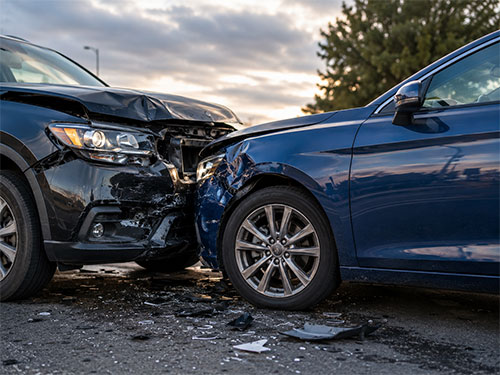

A rental car accident can generate several separate disputes: responsibility for the collision, compensation for injuries, damage to the rented vehicle, and charges under the rental agreement. A collision damage waiver does not answer all of those questions. Start by preserving the contract and identifying which coverage is being discussed.
Keep the complete rental agreement
Save the agreement, receipt, checkout and return inspection records, authorized driver information, and documents describing any protection purchased or declined. Preserve photographs from pickup if available. The terms in effect for that rental are more useful than a general advertisement describing a company’s usual offerings.
Record who was driving and why each passenger was in the vehicle. If the rental was connected to work, travel, or another arrangement, preserve the relevant information without assuming that the employer or rental company automatically becomes responsible for the collision.
Separate vehicle damage protection from injury coverage
A damage waiver generally concerns responsibility under the rental contract for damage to the vehicle. Liability coverage, personal automobile coverage, uninsured motorist benefits, medical payments coverage, and credit card benefits involve different terms and purposes. Do not assume that an item labeled “protection” covers bodily injury or every possible fee.
Credit card benefits may be limited to specified rental vehicle damage issues and can have conditions about payment, vehicle type, duration, and other coverage. Review the actual benefit guide and obtain a written coverage position rather than relying on the fact that the rental was charged to a card.
Notify the relevant companies promptly
Report the accident under the rental agreement and applicable policies. Keep the date, claim numbers, names of representatives, and written notices. A report to the rental counter does not necessarily notify your automobile insurer, and a police report does not necessarily satisfy every contract condition.
If someone was injured, preserve medical and wage loss records separately from vehicle repair documentation. Identify which adjuster handles bodily injury and which handles rental vehicle damage. This helps avoid sending an injury release to resolve a dispute that was supposed to concern repairs alone.
Documents to gather
- The rental agreement and protection or waiver documents.
- Your automobile policy for the accident date and relevant endorsements.
- Any applicable credit card benefit terms and proof of payment.
- Police information, photographs, witnesses, and exchanged driver information.
- Written repair estimates, inspections, damage charges, and claimed fees.
- Medical records and correspondence concerning injury claims.
Question charges without altering the evidence
Ask for the basis and supporting records for repair, loss-of-use, administrative, or other charges. Compare the claimed damage with the pickup and post-crash photographs. Preserve every version of the demand. A dispute about whether a fee is authorized is different from whether another driver negligently caused the collision.
Does owning the rental car establish fault?
Ownership alone does not resolve liability for the driving. Any claim against a rental company requires evaluation of the governing law and actual conduct, such as a specific maintenance or other allegation supported by evidence. Do not assume that the rental company is liable simply because its name appears on the registration.
Review any release before signing
Determine whether the document resolves the rented vehicle, your own property, bodily injury, or multiple claims. Identify the released parties and consider how the agreement affects other coverage or recovery rights. The rental invoice and the injury settlement should not be treated as one undifferentiated claim.
Official resource
California Department of Insurance accident guide.
Discuss the facts of your claim
Weiss Attorneys can review the records and the legal questions raised by your situation. Learn about our related injury representation and this related claim guide.
Read Scarlett Farrokh’s attorney profile, request a consultation, or call (213) 583-0977. This article provides general California information. The applicable duties, deadlines, and available remedies depend on the particular facts.