

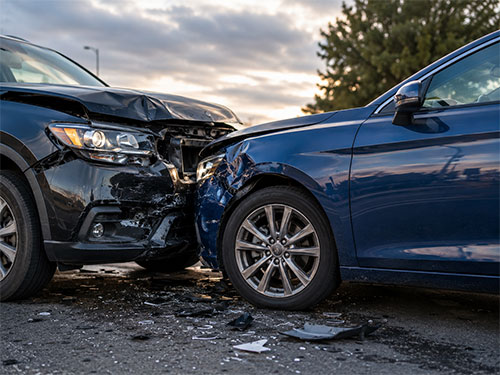

An insurance adjuster may say you were “partly at fault” without explaining how that conclusion was reached. In a California negligence claim, partial responsibility can affect the amount recoverable. The important questions are which conduct contributed to the injury, what the evidence shows, and whether the proposed percentage is justified.
A percentage is a conclusion that needs evidence
California uses comparative negligence. When a plaintiff’s negligence contributes to the harm, recoverable damages can be reduced by the plaintiff’s share of responsibility. The Judicial Council’s CACI No. 405 describes the need to establish both negligent conduct and its contribution to the harm. Being present at the scene, making an imperfect decision, or receiving a citation does not alone resolve every issue.
An insurer’s allocation is a negotiating position, not a binding jury verdict. Ask the adjuster to identify the facts supporting the percentage. A police opinion, a witness account, a photograph, and a video can carry different weight depending on what each actually establishes.
A simple hypothetical calculation
Assume, solely for illustration, that proven damages total $100,000 and the injured person is assigned 20 percent of the responsibility. Applying that reduction would leave $80,000 before fees, costs, liens, and any other applicable limits. This is an arithmetic example, not an estimate of what any case is worth. Different liability theories, multiple defendants, insurance limits, or statutory restrictions can require additional analysis.
Evidence that may change the allocation
- Video showing the sequence before the impact, rather than only the moment of collision.
- Independent witnesses who can describe vantage point, traffic signals, movements, or the condition involved.
- Photographs of sight lines, lane markings, lighting, warnings, or obstructions.
- Vehicle damage and other physical evidence considered in context.
- Records establishing when a dangerous condition appeared and what the responsible person did about it.
Separate the accident mechanism from the injury question
The conduct that caused the collision and conduct alleged to have increased an injury may raise different issues. For example, a dispute about restraint use cannot be resolved merely by showing that a seat belt was not used; the claimed relationship to the injury also matters. Medical and other expert evidence may be necessary. Avoid assuming that one unfavorable fact dictates a fixed reduction.
How to respond to a fault allegation
Provide an accurate account without changing your recollection to fit a preferred percentage. Preserve the records supporting your account and identify facts you cannot personally confirm. If you dispute an adjuster’s assertion, explain the specific inconsistency—for example, that a witness’s view was blocked—rather than simply insisting that you were faultless.
Review settlement offers by separating the claimed damages, the proposed fault reduction, the available coverage, and the deductions affecting your net recovery. An offer described as “full value after comparative fault” may still depend on disputed assumptions. Request the reasoning in writing and have the supporting evidence evaluated.
Can you pursue a claim if you share responsibility?
Sharing some responsibility does not automatically eliminate a California negligence claim. However, comparative fault does not establish that another person is liable: negligent conduct, causation, and damages still must be shown. Case-specific defenses and legal restrictions can also matter.
Primary legal resources
Judicial Council CACI No. 405, reproduced by Justia; California Civil Code section 1714.
Discuss your claim with Weiss Attorneys
Bring the relevant records, insurance correspondence, and any proposed settlement documents to a consultation. Weiss Attorneys can evaluate the available evidence and the questions specific to your situation. Learn about our related injury representation and local accident resources.
Read Scarlett Farrokh’s attorney profile, request a consultation, or call (213) 583-0977. This article provides general California information; the applicable rules depend on the facts, coverage, and deadlines of the particular claim.