

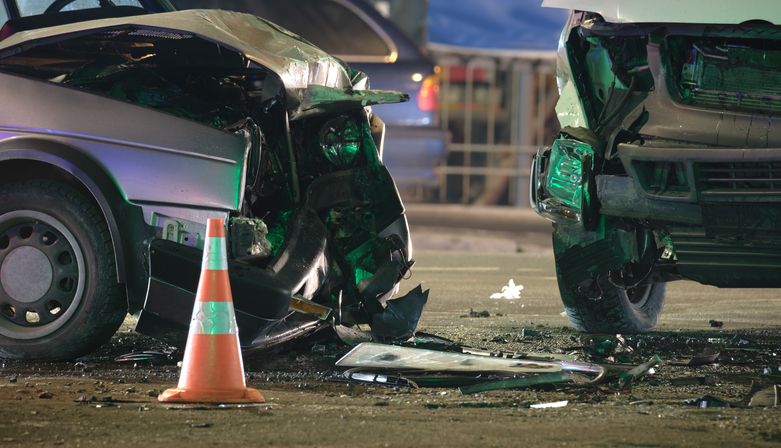

A car accident lawsuit requires proof of responsibility for the collision, a connection to the injuries claimed and supported losses. A person can have a clear account of the crash yet still need additional evidence about medical causation or damages. The investigation should address each disputed issue separately.
1. Identify the negligent conduct
Describe the approach, lane, turn, traffic control and actions of each involved driver. Compare those facts with original photographs, video and witness accounts. A collision report can help identify evidence, but an officer’s conclusion or an insurer’s acceptance of fault is not a substitute for evaluating the underlying facts.
2. Connect the conduct to the harm
California negligence analysis includes whether the conduct was a substantial factor in causing the harm. Keep the treatment timeline, relevant earlier records, imaging reports and providers’ findings. Be accurate about previous symptoms, new limitations and uncertainty. Vehicle damage alone does not diagnose an injury or establish every loss.
3. Support the damages requested
- Medical records, bills and recommendations for future care.
- Wage records, missed-work dates and documented restrictions.
- Repair estimates, photographs and property-loss receipts.
- Specific examples of pain and activities affected, with dates.
Future care and earning losses need evidence supporting what is reasonably expected. Expert testimony may be needed for particular issues, but it is not a universal prerequisite for every component of noneconomic damages. An attorney should identify the actual disputed questions before deciding which experts are necessary.
4. Evaluate shared responsibility and coverage
California comparative-fault rules can reduce an otherwise supported award according to the plaintiff’s share of responsibility. Policy terms, limits, other responsible parties and statutory restrictions may affect recovery. A settlement figure cannot be derived reliably from a single diagnosis or a list of bills.
5. Keep reporting and filing deadlines separate
DMV requires an SR-1 within 10 days for a reportable collision involving injury, death or more than $1,000 damage to the property of any one person. That report is separate from a lawsuit. Personal injury lawsuits commonly have a two-year period, but exceptions and earlier public-entity claim requirements can apply. Insurance negotiations do not automatically extend deadlines.
Review the DMV reporting guidance, California Courts deadline guidance, our witness guide, and the car accident practice page.
For how these records fit into claim evaluation, insurance review and representation, see our California car accident lawyer guide.
Discuss your claim with Weiss Attorneys
Call (213) 583-0977 or request a free consultation. Our office is in Sherman Oaks, with phone and video consultations available throughout California. Hablamos Español. For accepted contingency matters, attorney fees and case costs are governed by the written agreement. No outcome is guaranteed.
Prepared by Weiss Attorneys. Updated October 13, 2026. General information; the facts, applicable law, insurance terms and deadlines require an individual review.